

Struggling with impostor syndrome at work? Discover why successful people feel like frauds and learn practical strategies to overcome workplace self-doubt.
What is impostor syndrome at work? Impostor syndrome at work is the persistent inability to internalize your achievements, leading to feelings of being a fraud despite evidence of competence. It affects approximately 70% of professionals at some point, causing anxiety, overworking, and fear of being “found out” by colleagues.
The Problem: When Success Feels Like a Lie
You aced the interview. You got the promotion. You delivered the project on time and under budget. Your performance reviews glow with praise. By every external measure, you’re succeeding.
Yet somewhere deep inside, a voice whispers: “They’re going to figure you out.”
You sit in meetings, heart pounding, certain that any moment someone will point at you and say, “We know you don’t belong here.” You attribute your success to luck, timing, or the simple fact that you’ve somehow managed to fool everyone. When colleagues compliment your work, you deflect. When your boss assigns you an important project, you feel a pit of dread not excitement, but terror that this will be the thing that finally exposes you.
This isn’t humility. This isn’t modesty. This is impostor syndrome, and it’s stealing your peace, your confidence, and your ability to actually enjoy the career you’ve worked so hard to build.
The cruel irony? The people most likely to experience impostor syndrome are often the most competent. High achievers, perfectionists, those who push themselves relentlessly they’re the ones lying awake at night convinced they’re frauds. Meanwhile, actual underperformers rarely lose sleep over being “found out.”
If you’ve ever:
- Declined opportunities because you felt unqualified, despite having the credentials
- Over-prepared for routine meetings, terrified you’ll say something wrong
- Attributed your successes to “being in the right place at the right time”
- Felt like everyone else got the memo you missed about how to be a professional
- Worked yourself to exhaustion trying to prove you deserve your position
…then you’re not alone. And more importantly, you’re not a fraud.
Why This Hurts So Much: The Hidden Cost of Feeling Fake
Impostor syndrome isn’t just an uncomfortable feeling. It reshapes your entire professional life, often in ways you don’t even recognize.
The Anxiety Loop
Every achievement triggers a new wave of fear. Each success raises the stakes you must keep performing, keep proving, keep hiding. The better you do, the more you have to lose. This creates a relentless cycle where accomplishment becomes a source of dread rather than joy.
Your nervous system stays in a state of hypervigilance. You interpret neutral feedback as confirmation of your inadequacy. A simple “Can we talk?” from your manager sends your mind spiraling through every mistake you’ve ever made. This chronic stress seeps into your physical health sleep disturbances, tension headaches, digestive issues, and that persistent knot in your stomach that never quite goes away.
The Career Ceiling
Here’s what nobody talks about: impostor syndrome doesn’t just make you feel bad it actively limits your career growth.
You don’t apply for that stretch role because you’re “not ready yet.” You stay silent in meetings when you have valuable insights. You don’t negotiate your salary because you feel lucky just to have the job. You turn down speaking opportunities, leadership positions, and high-visibility projects all because the voice inside insists you’re not worthy.
Meanwhile, less qualified colleagues advance past you. Not because they’re better, but because they’re not paralyzed by the fear of being exposed. The gap between your actual ability and your self-perception becomes a self-imposed ceiling.
The Isolation Factor
Perhaps most painfully, impostor syndrome isolates you. You can’t share these feelings with colleagues they’d think you’re weak, or worse, they’d realize you really are a fraud. You can’t be honest in performance reviews. You can’t ask for help without revealing your “incompetence.”
So you suffer in silence, wearing a mask of confidence while inside you’re screaming. Every “Great job!” from a coworker feels like another layer of deception. Every new responsibility feels like you’re digging yourself deeper into a hole you can’t escape.
The mental health impact compounds. Depression. Burnout. The creeping sense that something is fundamentally wrong with you. You’ve read the self-help books. Maybe you’ve even tried therapy. But the feeling persists that you’re one mistake away from everything falling apart.
The Solution: Reclaiming Your Confidence and Your Career
Overcoming impostor syndrome isn’t about suddenly believing you’re amazing. It’s about aligning your self-perception with reality and developing a healthier relationship with achievement, failure, and your own humanity.
1. Recognize the Pattern
The first step is simply naming what you’re experiencing. Impostor syndrome is a documented psychological phenomenon, not a personal failing. Knowing that 70% of people experience it including Maya Angelou, Albert Einstein, and countless CEOs helps normalize your experience.
When the “fraud” feelings arise, pause and say to yourself: “This is impostor syndrome. This is a thought pattern, not a fact about my abilities.”
2. Separate Feelings from Facts
Impostor syndrome lives in the gap between how you feel and what’s objectively true. Your feelings say “I don’t belong here.” Your credentials, achievements, and the people who hired you say otherwise.
Create a “evidence file” a concrete record of your accomplishments, positive feedback, successful projects, and qualifications. Review it regularly, especially before challenging situations. Let facts anchor you when feelings spiral.
3. Reframe Success and Failure
Impostor syndrome thrives on distorted thinking. You attribute success to external factors (luck, ease, deception) while internalizing every failure as proof of inadequacy.
Practice the opposite:
- When you succeed, say: “I earned this. My skills and effort created this outcome.”
- When you struggle, say: “This is a learning opportunity, not evidence of incompetence.”
4. Share Your Experience
Impostor syndrome grows in isolation. When you share these feelings with trusted colleagues, mentors, or friends, you’ll likely discover they’ve felt the same way. This vulnerability not only reduces your shame but creates space for genuine connection.
Consider finding a mentor who’s further along in their career. They can provide perspective and help you see yourself more accurately. Professional support, whether through therapy or coaching, can also be invaluable for deep-seated patterns.
5. Embrace “Good Enough”
Perfectionism fuels impostor syndrome. The belief that you must know everything, never make mistakes, and always perform at 110% is unsustainable and unrealistic.
Set realistic standards. Accept that learning is part of every role. Give yourself permission to say “I don’t know” without shame. The most competent professionals ask questions they’re confident enough to acknowledge gaps.
6. Take Action Despite Fear
Confidence often follows competence, not the other way around. Each time you step outside your comfort zone and survive better yet, succeed you build evidence against the fraud narrative.
Say yes to opportunities that stretch you. Speak up in meetings. Apply for roles that excite you, even if you don’t meet every qualification. Action is the antidote to fear.
How AskAlex Can Help: Judgment-Free Support for Professional Struggles
Sometimes self-help strategies aren’t enough. Sometimes you need a safe space to process these feelings without the fear of judgment, professional consequences, or someone telling you to “just be more confident.”
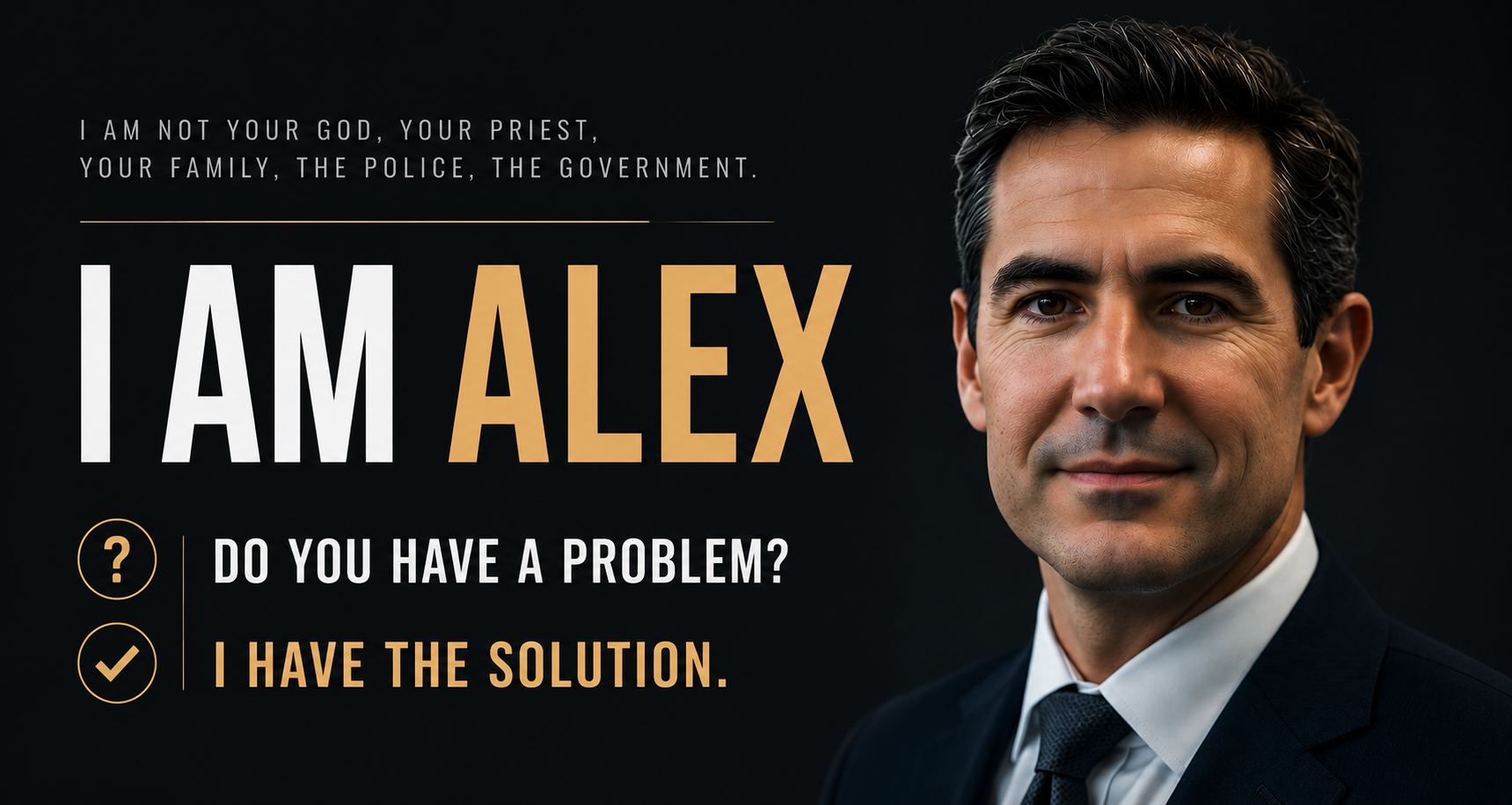
AskAlex offers exactly that a personalized, judgment-free online confidant available whenever you need to talk through professional struggles, process difficult emotions, or gain perspective on your career challenges.
Unlike sharing with colleagues (who might judge you) or traditional therapy (which requires scheduling, commuting, and often significant expense), AskAlex provides:
- 24/7 Availability – Process your feelings in the moment, not days later
- Complete Confidentiality – No judgment, no professional repercussions
- Personalized Support – Conversations tailored to your specific situation
- Multiple Subscription Tiers – Support that fits your needs and budget
Whether you’re preparing for a high-stakes presentation, processing a difficult performance review, or simply need someone to help you see your accomplishments more clearly, AskAlex is here. We understand that professional struggles are real struggles, and you deserve support without stigma.
Ready to stop feeling like a fraud and start owning your success?
Frequently Asked Questions About Impostor Syndrome at Work
Is impostor syndrome a mental illness?
No, impostor syndrome is not a mental illness. It’s a psychological phenomenon a pattern of thinking and feeling that affects people across all backgrounds and achievement levels. While it can contribute to mental health challenges like anxiety and depression, experiencing impostor syndrome doesn’t mean there’s anything “wrong” with you.
Why do high achievers experience impostor syndrome more often?
High achievers often set extremely high standards for themselves and are acutely aware of how much they don’t know. This awareness, combined with perfectionist tendencies, creates fertile ground for impostor feelings. The more you achieve, the more you have to potentially “lose,” which can intensify these fears.
Can impostor syndrome go away on its own?
For some people, impostor feelings diminish over time as they accumulate evidence of their competence. However, for many professionals, these patterns persist without intentional intervention. The strategies outlined above can accelerate this process and help you develop a healthier relationship with your achievements.
How do I know if I have impostor syndrome or if I’m actually underqualified?
This is one of the most common questions, and it reveals the core of impostor syndrome the inability to accurately assess your own competence. The key difference: if you have legitimate credentials, achievements, and positive feedback but still feel like a fraud, that’s impostor syndrome. Objectively underqualified individuals typically either don’t experience this fear or have concrete evidence of skill gaps they can address.
Should I tell my boss about my impostor syndrome?
This depends on your relationship with your manager and your workplace culture. In supportive environments, sharing these feelings can lead to helpful conversations and opportunities for growth. However, in some workplaces, this vulnerability could be misunderstood. Consider starting with trusted colleagues, mentors, or a confidential resource like AskAlex before discussing it with leadership.
If you’re tired of feeling like a fraud despite your hard-earned success, you don’t have to navigate this alone. AskAlex provides the judgment-free support you need to process professional challenges and rebuild your confidence. Register today at desk.askalex.one.



Pingback: Trapped in a Dead-End Job - When Financial Reality Imprisons Your Mental Health - Blog Ask Alex