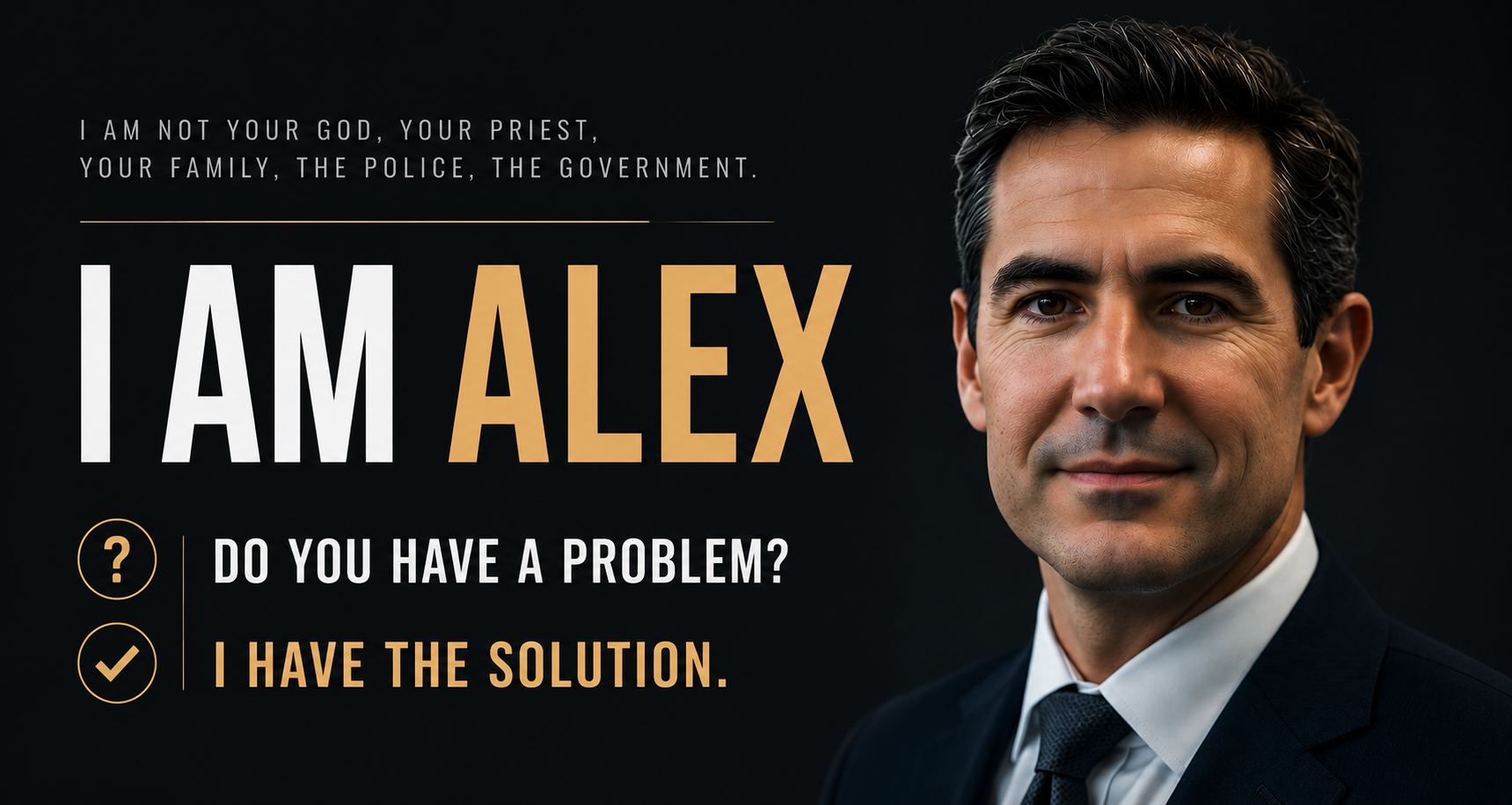

Drowning in financial stress? You’re not alone. Discover judgment-free support and practical steps to regain control when money problems feel overwhelming. Visit AskAlex today.
How do you cope with overwhelming financial stress?
The most effective way to cope with overwhelming financial stress is to acknowledge it without shame, take one small actionable step at a time, and seek judgment-free support. Financial anxiety thrives in isolation—breaking the silence reduces its power, and professional guidance can help you create a realistic path forward when everything feels impossible.
The Weight No One Talks About
It’s 2:47 AM again. You’re staring at the ceiling, doing the mental math you’ve done a thousand times. The numbers never work out differently, but you keep running them anyway—hoping that somehow, this time, the equation will change.
Your phone buzzes with another notification. You don’t need to look to know what it is. Another reminder. Another due date. Another number that doesn’t match what’s in your account.
You’ve become intimately familiar with that tightness in your chest—the one that shows up when you’re standing in the checkout line, watching the total climb on the screen, praying the card doesn’t decline. The casual conversations with friends about weekend plans have become minefields. “Let’s just grab dinner” carries a weight they’ll never understand.
This isn’t just about dollars and cents. This is about the dread that greets you before your eyes fully open. The way your body tenses when you hear the mail carrier approach. The exhaustion of constantly calculating—constantly negotiating with yourself about which necessity can wait another week.
You’ve tried the budgeting apps. You’ve cut the subscriptions. You’ve said no to the birthday dinners and the baby showers and the weddings that required plane tickets. And somehow, you’re still here—still underwater, still feeling like you’re failing at something everyone else seems to manage effortlessly.
The worst part? You can’t even talk about it. Money is the last taboo. We’ll discuss politics and religion at dinner parties, but mention debt or financial struggles and watch the room go quiet. So you carry it alone—a growing weight that touches every part of your life.
Why Financial Stress Cuts So Deep
Money isn’t just money. In our world, it’s survival. It’s safety. It’s the physical manifestation of whether you belong, whether you’re “making it,” whether you’re worth something.
When you’re drowning financially, you’re not just dealing with math problems. You’re carrying something heavier:
The shame that follows you everywhere. The colleague who casually mentions their vacation, and you feel that familiar heat rise in your cheeks—knowing you couldn’t afford a weekend away, let alone a week at the beach. The internal narrative that whispers you should be further along by now. That you should have figured this out.
The isolation that builds walls. How do you explain to friends that you can’t afford the dinner they suggested? So you make excuses—”busy with work,” “not feeling well”—until the invitations stop coming. And then you’re alone with the bills and the worry, which only makes both feel bigger.
The impact on your closest relationships. Money fights are different. They’re not about leaving socks on the floor or forgetting an anniversary. They’re about survival and security and fundamentally different approaches to both. When you’re already stressed about money, a disagreement about a purchase can feel like a referendum on your entire partnership.
The mental bandwidth that gets consumed. When you’re in financial crisis, a significant portion of your cognitive capacity goes to worry. Researchers call this “scarcity mindset”—and it’s not a character flaw. It’s your brain trying to solve an unsolvable problem with limited resources. But the cost is high: less patience for your kids, more irritability at work, reduced ability to plan for anything beyond the next emergency.
The feeling that you’ve tried everything. You’ve read the articles. You know the advice. “Create a budget.” “Cut expenses.” “Increase income.” But when you’re already living with bare-bones expenses and no clear path to higher income, these suggestions feel like telling someone to “just swim” when they’re already drowning.
The physical toll. Financial stress doesn’t stay in your head. It lives in your body—the tension headaches, the digestive issues, the insomnia, the chest tightness that sends you to Google symptoms at midnight. Your nervous system is stuck in threat-detection mode, and that constant state of alert degrades everything: your immune system, your mood, your ability to think clearly.
Finding Your Way Back to Solid Ground
Here’s what we need you to know: financial stress does not define your worth as a human being. And you don’t have to navigate this alone.
1. Stop Isolating
The shame of financial stress convinces us to hide. But isolation amplifies every fear. Breaking the silence—even with just one trusted person—can reduce the psychological weight significantly. This doesn’t mean announcing your debt to your social circle. It means finding one place where you can speak the truth without judgment.
2. Get Clear on the Numbers (Without the Shame)
This is different from the mental math you do at 2 AM. This is sitting down—perhaps with support—and writing out exactly what you’re facing. Not to judge yourself, but to know what you’re working with. Fear grows in the dark. Facts, even difficult ones, give you something to work with.
3. Take One Small Action Today
Financial overwhelm paralyzes. The problems feel too big, so we do nothing. Instead, choose one small action: making one call, opening one letter, setting up one automatic payment for the minimum on one account. Small actions break the paralysis and build momentum. You don’t need to solve everything today. You just need to do one thing.
4. Separate Your Self-Worth from Your Net Worth
Society will try to convince you they’re the same. They are not. You are not your bank balance. You are not your credit score. Financial struggles are circumstances—sometimes within your control, often not. They do not determine your value as a partner, parent, friend, or human being. This shift in perspective won’t pay the bills, but it will help you face them with clarity instead of collapse.
5. Seek Judgment-Free Support
This might be the hardest step. When you’re carrying financial shame, the last thing you want is to expose it to someone who might confirm your worst fears about yourself. But there are spaces designed specifically for this—where you can talk through money stress without the side-eye, the lectures, or the generic advice that doesn’t apply to your situation.
How AskAlex Can Help
At AskAlex, we understand that financial stress isn’t solved by spreadsheets alone. Sometimes you need to talk through the situation with someone who won’t judge you for where you are.
Our judgment-free confidant service provides:
- A safe space to voice your financial concerns — without the shame or lectures
- Emotional support for the stress, anxiety, and overwhelm that comes with money problems
- Practical perspective to help you think through your options when everything feels impossible
- Someone in your corner — especially when you feel like you’re facing this alone
Financial stress wears you down in a unique way. It touches everything—your sleep, your relationships, your performance at work, your ability to be present with the people you love. You deserve support that addresses all of it, not just the numbers.
If you’re tired of carrying this weight alone, register at desk.askalex.one to connect with a confidant who will listen without judgment and help you navigate through this.
Frequently Asked Questions
Why does financial stress feel so overwhelming?
Financial stress triggers primal survival instincts. When we feel financially threatened, our brain activates the same stress response as physical danger. Combined with social stigma around money struggles, this creates a cycle of anxiety, shame, and isolation that can feel impossible to break without support.
How do I stop obsessing over money problems?
Complete suppression doesn’t work, but containment does. Set specific times to address finances (perhaps 30 minutes, twice a week). Outside those times, when worry arises, acknowledge it: “I’m worried about money. I have a time scheduled to address this.” This gives your brain permission to set it down temporarily.
Should I tell someone about my financial situation?
Yes—but choose carefully. Isolation intensifies financial stress. Find at least one trusted person or professional support system where you can be honest. This doesn’t mean sharing every detail with everyone; it means breaking the silence with someone who can offer support without judgment.
What if I’ve already tried everything?
If you feel like you’ve tried everything, you’re likely carrying an exhaustion that goes beyond financial. Sometimes the “solutions” we’ve been given don’t fit our actual situation. Consider seeking support that addresses the emotional weight—not just the practical steps. You may need to process the stress before new solutions become visible.
How do I deal with money stress affecting my relationship?
Money conflicts in relationships often aren’t really about money—they’re about security, values, and control. The most important step is communication before crisis. Set regular, calm times to discuss finances (not when bills are overdue or during arguments). Consider involving a neutral third party to facilitate difficult conversations.
Financial stress doesn’t have to be a life sentence. At AskAlex, we’re here to listen without judgment and support you through this. Connect with us at desk.askalex.one — because no one should face financial stress alone.
Is AI the Future of Love? Navigating Modern Dating Challenges