

Struggling to make friends as an adult? You’re not alone. Discover why adult friendships feel impossible and practical steps to build real connections judgment-free.
Why Is It Hard to Make Friends as an Adult?
Making friends as an adult is difficult because our social structures collapse after school—we no longer have built-in proximity to peers. Work relationships stay professional, free time shrinks, and existing friend groups feel impenetrable. The combination of fewer organic meeting spaces, increased social anxiety, and the fear of rejection creates a perfect storm of isolation.
The Problem: Friday Nights That Never End
It’s 8:47 PM on a Friday. You’re scrolling through Instagram, watching your college roommate’s friend group reunion. Someone posted a story from a dinner party ten people around a table, laughing at something you can’t hear. You swipe next. A coworker you barely speak to is at a concert with “the best crew.” Another swipe. Someone you met once at a party three years ago is posting about their “chosen family” game night.
Your phone feels heavy in your hand. The silence in your apartment is loud.
You’ve been here before. Same couch, same glow of the screen, same knot in your chest. You tried the apps Bumble BFF, Meetup, that hiking group your therapist suggested. You showed up to events where everyone already knew each other, clung to the snack table, and went home wondering what’s wrong with you.
Nothing’s wrong with you. But it doesn’t feel that way.
Adult friendships weren’t supposed to be this hard. You had friends in college. You had friends in your twenties. Somewhere along the way through moves, job changes, relationships that consumed everything, friends who drifted the connections thinned out. And now you’re standing on the outside of social life, pressing your nose against the glass, wondering how everyone else got in.
Why This Hurts So Much: The Shame of Having No One to Call
Here’s what nobody talks about: being lonely as an adult carries a specific kind of shame.
When you’re young and friendless, people feel sorry for you. When you’re an adult and friendless, people assume you’ve done something wrong. There must be a reason. You’re difficult. You’re weird. You haven’t tried hard enough.
So you stop mentioning it. You stop saying, “I don’t really have anyone to go with” when coworkers discuss weekend plans. You learn to laugh at the right moments in conversations about “my friend did this funny thing.” You become an expert at the vague deflection: “Oh, pretty low-key weekend, just relaxing.” Translation: I will be entirely alone for 48 hours, and I don’t know how to say that without making you uncomfortable.
The invisibility compounds. Every birthday that passes without a party, every holiday spent wondering if you should text people who probably have plans, every time you need to go to the doctor and realize you have no one to ask for a ride—you’re accumulating evidence that you don’t matter to anyone.
And then there’s the social erosion. Loneliness isn’t just painful; it’s corrosive. The longer you go without meaningful connection, the harder it becomes. Your social skills atrophy. Your confidence crumbles. You start interpreting neutral interactions as rejection. The barista didn’t smile at you clearly you’re repellent. Your neighbor didn’t say hello they must sense something wrong with you. You become the very thing you feared: someone who’s harder to be around because you’ve forgotten how to be around people.
This is the cruel mathematics of adult loneliness: the less you have, the less you’re able to get. And the world keeps spinning, full of people who seem to have figured it out, who post photos of brunches and camping trips and inside jokes you’ll never understand.
The Solution: Building Connection from Zero
You’ve heard the advice before. “Put yourself out there.” “Join a class.” “Be yourself.”
It’s not wrong, but it’s incomplete. Here’s what actually works when you’re starting from nothing.
1. Accept the Awkward Phase
Every new friendship has an awkward phase. The problem is that most adults avoid this phase at all costs because it feels humiliating. Lean into it instead. When you show up to a recurring event a pottery class, a volunteer shift, a running club you will feel out of place the first few times. This is normal. Keep showing up anyway.
Research on the “mere exposure effect” shows that familiarity breeds liking. The people who see your face repeatedly will eventually feel more comfortable with you not because you’ve done anything special, but because you’ve become part of their environment.
2. Stop Looking for “Your People” Start Looking for People
One of the biggest mistakes lonely adults make is believing they need to find their soul-friend-tribe immediately. This is unrealistic and paralyzing. Most people don’t have “their people” they have people. Different friends for different things. The work friend you vent to. The neighbor you walk dogs with. The acquaintance from spin class who knows nothing about your personal life.
Lower the stakes. You’re not looking for a best friend. You’re looking for someone to grab coffee with occasionally. Someone to text about the weird thing you saw at the grocery store. Someone whose name you’ll learn after the third time you see them.
3. Use Structure to Your Advantage
Unstructured social events are the worst environments for making friends as an adult. Cocktail mixers, “come hang out” invites, parties where you know one person all of these require you to perform socially without a script, which is exhausting when you’re already depleted.
Structured activities give you something to do and something to talk about. A hiking group moves. A volunteer shift has tasks. A book club has assigned reading. The activity bridges the gap between strangers, so you don’t have to invent conversation from nothing.
4. Initiate Without Desperation
Here’s the pattern that keeps people stuck: you meet someone, you wait for them to ask for your number or invite you somewhere, they don’t, you assume they don’t like you, and the connection dies.
What if they’re doing the exact same thing?
Adult friendships require someone to go first. That someone can be you. After the third or fourth time you see someone in a recurring setting, try: “Hey, I’ve enjoyed chatting with you would you want to grab coffee sometime before the next [class/meeting/event]?” No pressure, no big declaration, just a small invitation to extend the connection beyond the structured environment.
If they say no or don’t follow up? That’s okay. You’re practicing initiation. The next time will be easier.
5. Reconnect with Dormant Ties
Before you chase entirely new connections, look at who you’ve lost touch with. Former coworkers, college acquaintances, people you liked but drifted from because of geography or life circumstances. A simple “Hey, saw this and thought of you” text can rekindle a connection that’s already been established. These dormant ties are lower-friction than strangers because you already have shared history.
6. Consider Professional Support
If you’ve been isolated for a long time, the social anxiety and negative self-talk may be too entrenched to address alone. A therapist can help you work through the patterns that keep you stuck. But therapy isn’t accessible or right for everyone, and it’s not the only option.
How AskAlex Can Help: Judgment-Free Support When You Need It Most
Sometimes you need to talk through the loneliness before you can take action. You need someone to help you see that you’re not broken, that the situation is hard, that millions of adults are navigating the same invisible struggle.
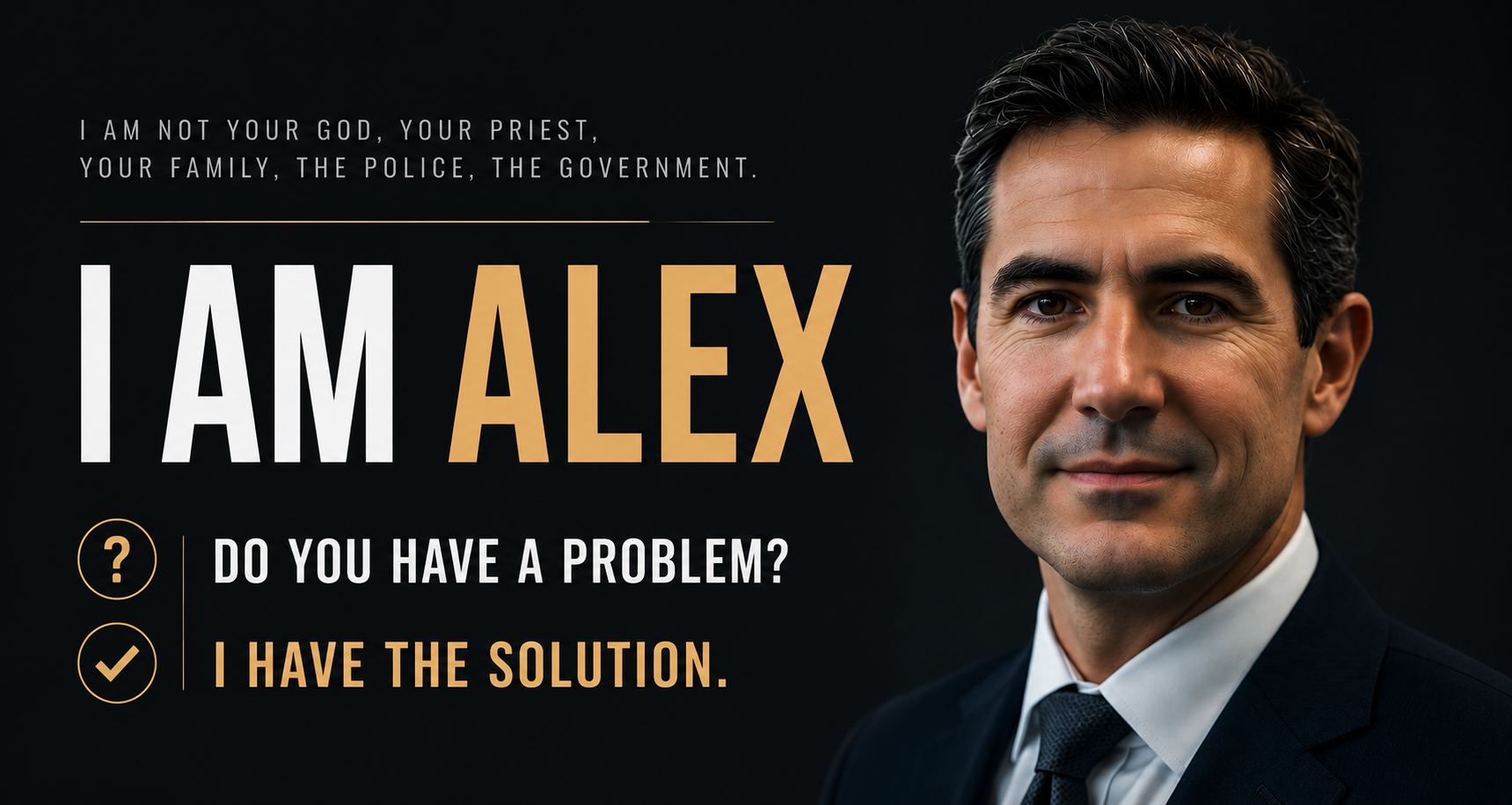
AskAlex is a personalized, judgment-free online confidant service. It’s not therapy, and it’s not a friendship app—it’s a space to process what you’re going through with someone who listens without agenda or expectation.
When you’re preparing to join that new class and your brain is screaming “Everyone will think you’re pathetic for being alone,” AskAlex can help you reframe the thought. When you’ve had another lonely weekend and need to voice the frustration without burdening anyone, AskAlex is there. When you want to practice initiating a coffee invitation without fear of rejection, AskAlex can roleplay the conversation first.
You don’t have to navigate adult loneliness alone. Start a conversation at desk.askalex.one no judgment, no pressure, just support when you need it most.
Frequently Asked Questions
Is it normal to have no friends as an adult?
More normal than you think. A 2023 survey found that 30% of adults under 40 report having no close friends—up from 10% in 1990. The social structures that once guaranteed connection (school, community organizations, stable neighborhoods) have eroded, and digital connection hasn’t filled the gap. You’re not broken; you’re experiencing a systemic shift in how adults relate to each other.
How long does it take to make a close friend as an adult?
Research suggests it takes about 50 hours of interaction to move from acquaintance to casual friend, and another 40-60 hours to become close friends. For adults with limited free time, this can take months or even years of consistent effort. The key is recurring contact—seeing the same people regularly, not attending one-off events where you’ll never see anyone again.
What if I’m introverted and find social interaction draining?
Introversion isn’t the same as social anxiety, and introverts can absolutely have friends. The difference is that introverts need alone time to recharge. Focus on one-on-one connections rather than groups, choose lower-energy activities (walks, coffee, book clubs over parties), and be honest about your needs. Quality matters more than quantity.
Why do my old friendships feel so hard to maintain?
Friendships that formed in different life stages often require different kinds of maintenance. If you’re single and your college friends are all married with kids, the logistics of staying connected have completely changed. This doesn’t mean the friendship is over—it means you need new rituals and rhythms. Schedule calls instead of spontaneous hangouts, accept that plans will be made further in advance, and find ways to connect that fit everyone’s current reality.
Should I try friendship apps like Bumble BFF?
Friendship apps can work, but they come with the same challenges as dating apps: lots of swiping, few meaningful connections, and the pressure to “perform” friendship chemistry in an unnatural setting. If you try them, focus on finding people with shared interests rather than generic “let’s be friends” posts, and move to in-person meetups quickly. The best outcomes usually come from activity-based apps (sports partners, hobby groups) rather than pure friendship matching.
You deserve connection. You deserve to be known. And you deserve to talk to someone who won’t judge you for struggling.
Visit desk.askalex.one to start your conversation today.



Pingback: Emotional Cheating Explained - When Your Heart Wanders Before Your Body Does - Ask Alex Blog
Pingback: Black Sheep of the Family - When You're the Outcast No Matter What - Ask Alex Blog
Pingback: Morning Panic Attacks - When Waking Up Feels Like Dread - Ask Alex Blog