
Feeling like the black sheep of your family? Discover why family rejection hurts so deeply and learn practical strategies to cope, set boundaries, and find your chosen family.
What Does It Mean to Be the Black Sheep of the Family?
Being the black sheep of the family means you’re treated as the outcast—the one who doesn’t fit in, who’s singled out as different, and who faces systematic exclusion from family dynamics while everyone else belongs.
The Problem: Always the Outsider at Your Own Family Table
You know that feeling. You’re sitting at the family dinner table, surrounded by people who share your DNA, yet you feel completely alone. Everyone else is laughing at inside jokes you don’t understand. Conversations halt when you approach. You’re assigned to the “kids’ table” even though you’re thirty-five years old.
Or maybe it’s more subtle. The way your siblings’ achievements are celebrated while yours are met with polite nods. How family decisions are made without consulting you. The annual family photo where you’re always positioned at the edge, as if you might disappear at any moment.
You’ve tried fitting in. You’ve dressed the way they expect, pursued the career they approved of, dated the people they thought were appropriate. None of it mattered. You’re still the one who gets the side-eye at Thanksgiving. Still the one whose name is spoken in hushed tones when you’re not in the room. Still the one who somehow always ends up being the problem, even when you’ve done nothing wrong.
Being the black sheep isn’t about being rebellious or difficult. It’s about being singled out, labeled as different, and systematically excluded from the family circle. It’s a painful position that millions of people find themselves in, and the emotional toll is devastating.
The Signs You’re the Family Black Sheep
- You’re blamed for conflicts you didn’t start
- Your boundaries are consistently violated
- Family members discuss you behind your back
- You’re excluded from important family events or decisions
- Your achievements are minimized while your mistakes are magnified
- You feel relief when family gatherings end
- You’ve been given a label: “the difficult one,” “the sensitive one,” “the dramatic one”
Why This Hurts So Much: The Deep Pain of Family Rejection
Family rejection cuts deeper than almost any other wound. These are the people who are supposed to love you unconditionally, yet they treat you as if you’re fundamentally flawed. The psychological impact of being the black sheep is profound and multifaceted.
The Shame That Builds Over Time
When your family treats you as the problem, you start to believe it. You internalize their rejection as evidence that something is wrong with you. This shame becomes a constant companion, whispering that you’re unlovable, that you’ll never belong anywhere, that you’re fundamentally broken.
You might find yourself apologizing for things you didn’t do wrong. You might stay in toxic relationships because you believe you don’t deserve better. You might sabotage your own success because deep down, you’ve accepted the role of the family failure.
The Isolation That Feels Inescapable
Being the black sheep means living in a unique form of isolation. You’re not completely cut off—you still get invited to family functions, still receive birthday cards (sometimes), still have a seat at the table. But you’re never truly included. This liminal space between belonging and rejection is exhausting.
You watch your siblings call each other for advice, plan trips together, share inside jokes. You see the family group chat where your messages go unanswered while everyone else’s spark lively discussion. You notice the family photo albums where you’re conspicuously absent, not because you weren’t there, but because the photos where you appear somehow never make it to the frame.
The Gaslighting That Makes You Question Reality
Family black sheep are often victims of gaslighting. When you try to address the exclusion, you’re told you’re “too sensitive” or that you’re “imagining things.” When you point out unfair treatment, you’re accused of “playing the victim” or “causing drama.”
This systematic denial of your reality makes you question your own perceptions. Maybe you are being too sensitive. Maybe you really are the problem. Maybe if you just tried harder, smiled more, complained less, everything would be fine.
But here’s the truth: You’re not imagining it. Being the black sheep is a real phenomenon, and the pain you feel is valid.
The Grief of Losing Your Family While They’re Still Here
Perhaps the most painful aspect of being the black sheep is the grief. You’re mourning a family you never really had. You’re grieving the relationships that should exist but don’t. You’re grieving the support system that every person deserves but that was denied to you.
This grief is complicated because your family is still alive, still present, still technically “there for you”—but only in the most superficial sense. They show up when they’re required to, but they don’t truly see you. They say the right things in public, but in private, you’re still the outcast.
The Solution: Reclaiming Your Worth and Finding Your Chosen Family
Being the black sheep of the family is painful, but it doesn’t have to define your life. There are practical steps you can take to heal from family rejection and build a fulfilling life surrounded by people who truly appreciate you.
Accept That You May Never Get Their Approval
The hardest truth to face is that your family may never change. They may never see you clearly, never appreciate who you truly are, and never treat you the way you deserve. This realization is painful, but it’s also liberating.
When you stop trying to earn their approval, you free up energy to invest in people who actually value you. When you accept that their rejection says more about them than it does about you, you can begin to release the shame you’ve been carrying.
Set and Maintain Firm Boundaries
Boundaries are essential when dealing with a family that treats you as the outcast. This might mean:
- Limiting your time at family gatherings
- Refusing to engage in conversations that feel like attacks
- Declining to share personal information that will be used against you
- Saying “no” to requests that feel like obligations
- Removing yourself from situations where you’re being mistreated
Setting boundaries often triggers pushback. Your family may accuse you of being “difficult” or “selfish.” Remember: People who respect you will respect your boundaries. People who don’t respect your boundaries are showing you who they are.
Build Your Chosen Family
The concept of chosen family is powerful for black sheep. These are the people who see you, value you, and choose to be in your life—not because of blood, but because of genuine connection.
Your chosen family might include:
- Friends who have become like siblings
- Partners who love you unconditionally
- Mentors who believe in your potential
- Community groups where you truly belong
- Online communities of people with similar experiences
Building chosen family takes time and intentionality. It requires being vulnerable enough to let people in, which can be terrifying when your biological family has repeatedly hurt you. But the relationships you build with people who truly choose you will be far more meaningful than forced connections with family members who don’t appreciate you.
Reframe Your Identity
Being the black sheep can become part of your identity—but it doesn’t have to be a negative one. Many black sheep are the innovators, the creatives, the truth-tellers in their families. They’re the ones who see things differently, who question the status quo, who refuse to conform to expectations that don’t align with their values.
What if being the black sheep means you’re brave enough to be yourself in a family that values conformity? What if it means you’re the one who will break generational patterns of dysfunction? What if your “differentness” is actually your strength?
Seek Professional Support
The wounds of family rejection run deep, and healing often requires professional support. A therapist can help you:
- Process the grief of family estrangement
- Recognize and heal from gaslighting and emotional abuse
- Develop healthy boundary-setting skills
- Build self-worth independent of family approval
- Navigate complicated family dynamics
There’s no shame in seeking help. In fact, recognizing that you need support and reaching out for it is a sign of strength, not weakness.
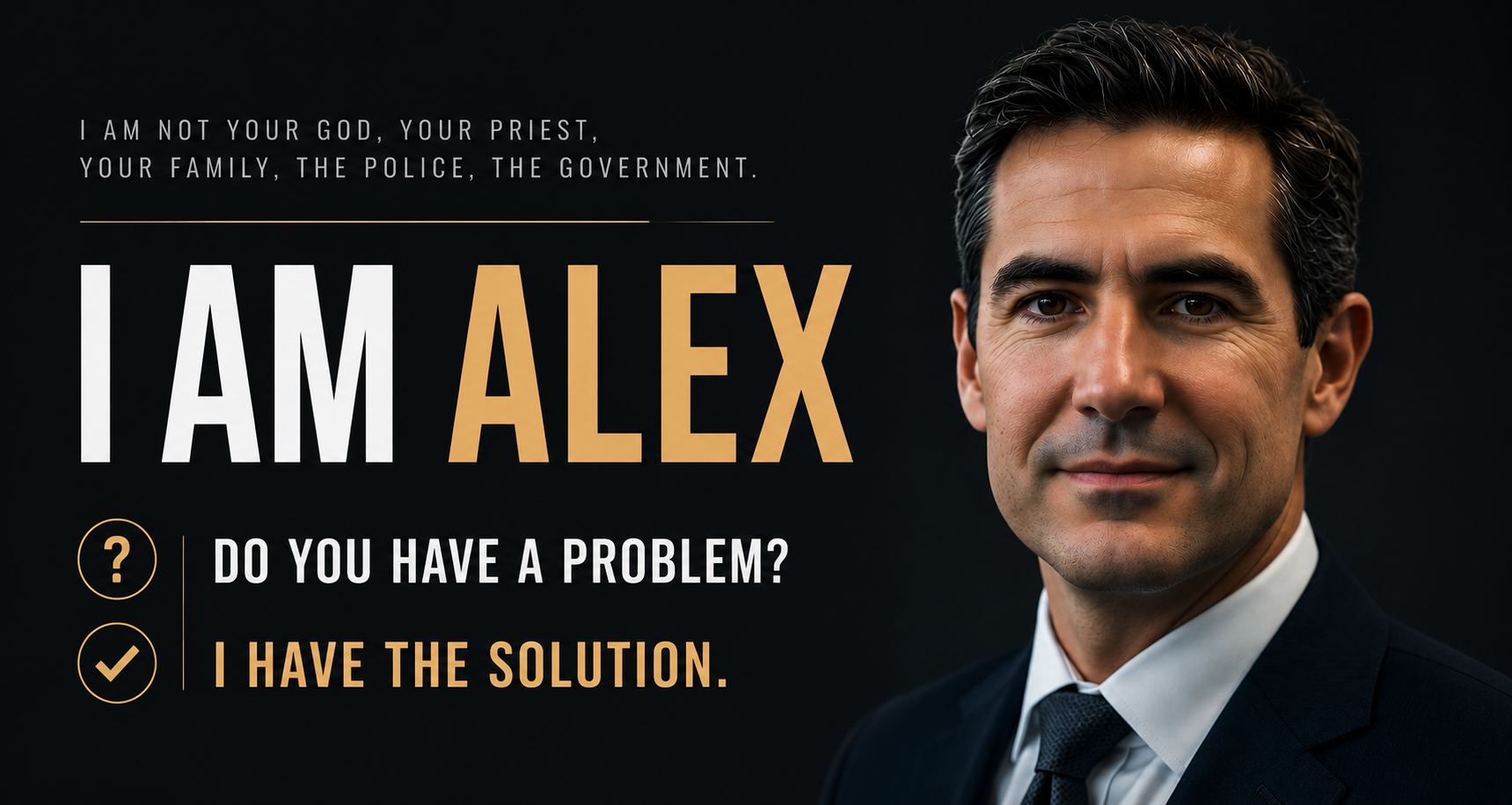
How AskAlex Can Help: Judgment-Free Support When You Need It Most
When you’re the black sheep of your family, it can feel like there’s nowhere to turn. Friends might not understand why you can’t “just ignore” your family’s treatment. Therapists require appointments and cost money you might not have. Sometimes, you just need someone to listen—without judgment, without advice you didn’t ask for, and without telling you to “be the bigger person.”
AskAlex provides exactly that kind of support. Our service offers:
- 24/7 availability – Family drama doesn’t keep business hours, and neither do we
- Complete privacy – Share your story without fear of it getting back to your family
- No judgment – We’re not here to tell you what you’re doing wrong; we’re here to listen
- Practical guidance – When you want advice, we can help you navigate complex family dynamics
- Affordable access – Professional support shouldn’t break the bank
Whether you’re processing a painful family gathering, strategizing about an upcoming holiday, or just need someone to confirm that you’re not crazy, AskAlex is here. We understand that being the black sheep is isolating, and we’re committed to being a judgment-free space where you can speak your truth.
Ready to feel heard? Visit desk.askalex.one to get started.
Frequently Asked Questions About Being the Black Sheep of the Family
What is the black sheep syndrome?
“Black sheep syndrome” refers to the pattern of one family member being systematically singled out, excluded, or blamed within a family system. While not a clinical diagnosis, it describes a real phenomenon where one person becomes the target of family dysfunction, regardless of their actual behavior. This person often carries the family’s projected shame and becomes the scapegoat for family problems.
Why do families have a black sheep?
Families often create a black sheep to maintain their own denial about dysfunction. By focusing on one person as “the problem,” the rest of the family avoids addressing their own issues. This is common in families with addiction, narcissism, or unresolved trauma. The black sheep is often the truth-teller—the one who sees problems others won’t acknowledge, or the one who refuses to pretend everything is fine.
Is being the black sheep permanent?
Not necessarily. Some families eventually heal and change their dynamics, especially if the black sheep sets firm boundaries and refuses to accept mistreatment. However, many black sheep find that their role in the family is deeply entrenched and that real change is unlikely. The good news is that your identity and worth aren’t determined by your family’s treatment of you, and you can build a fulfilling life regardless of whether your family dynamics shift.
How do I stop being the black sheep?
You can’t control how your family treats you, but you can change how you respond. Focus on setting boundaries, building your self-worth independent of family approval, and developing relationships with people who appreciate you. Some black sheep find that stepping back from family involvement actually improves their family relationships—it removes you from the role of the victim and forces the family to relate to you differently.
Can being the black sheep affect my mental health?
Yes, being the black sheep can significantly impact mental health. The chronic rejection, gaslighting, and exclusion can lead to anxiety, depression, complex trauma, and relationship difficulties. If you’re struggling with the effects of being the family outcast, professional support can help you process these experiences and develop healthy coping strategies.
If you’re tired of carrying the weight of being the black sheep and need someone who will truly listen, AskAlex is here for you. No judgment, no agendas—just compassionate support when you need it most. Connect with us at desk.askalex.one.
Can’t Make Friends as an Adult – Why It Feels Impossible and What Actually Works
When Your Partner’s Family is Toxic – How to Protect Your Relationship and Your Peace
Starting Over at 30+ – Why It’s Never Too Late to Reinvent Yourself