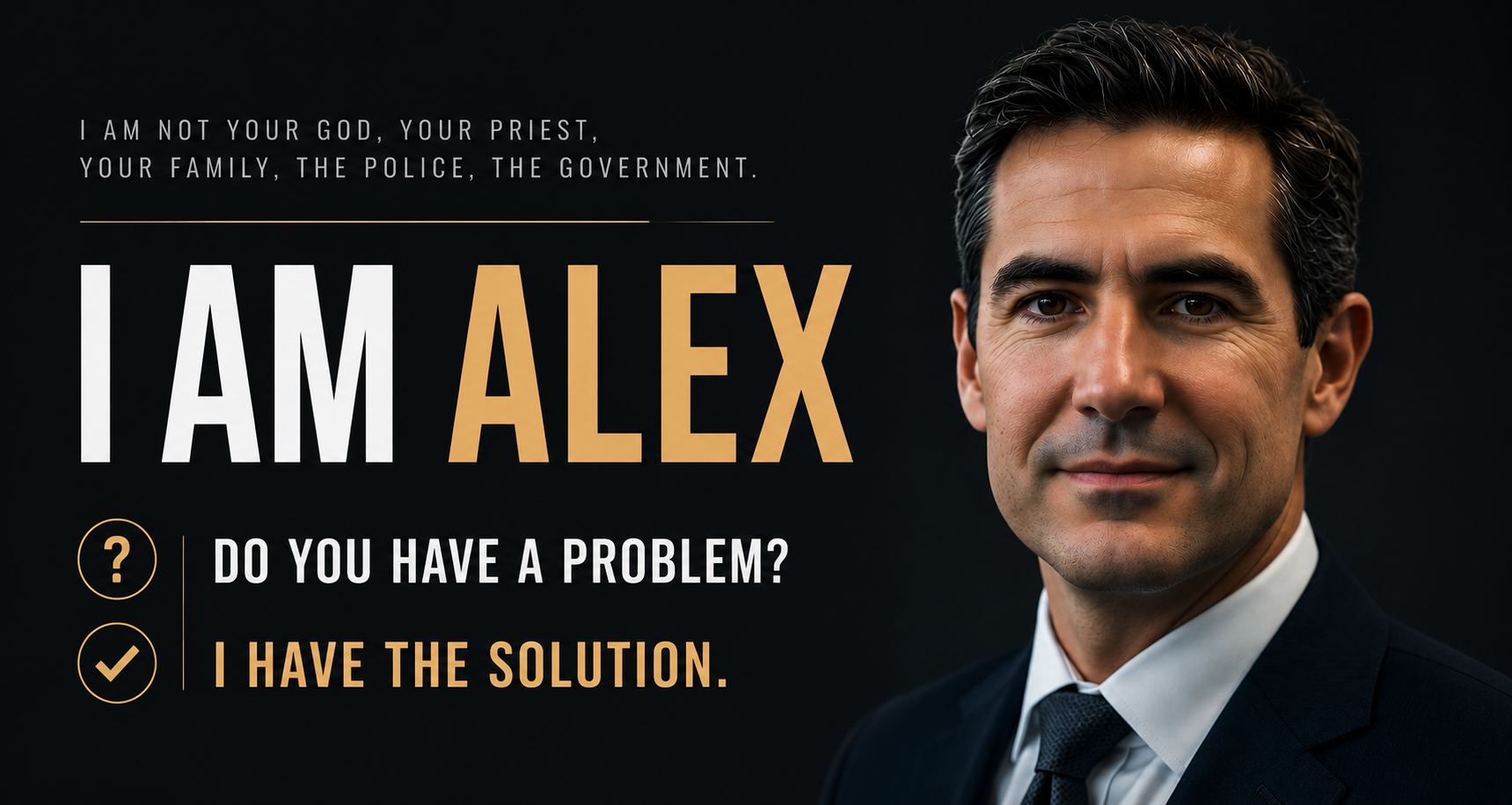

Been ghosted? Discover why ghosting hurts so much, what it really means, and practical steps to move forward. Get judgment-free support at AskAlex.
What Is Ghosting and Why Does It Cut So Deep?
Ghosting is when someone you’ve been dating or communicating with suddenly cuts off all contact without explanation—no text, no call, no closure. They simply vanish. The pain comes not just from the rejection, but from the ambiguity: your mind fills in the blanks, wondering what you did wrong, if they ever cared, or whether something happened to them. This uncertainty triggers the same neural pathways as physical pain, leaving you stuck in a loop of self-doubt and unanswered questions.
The Moment You Realize They’re Gone
It starts innocently enough. You check your phone—nothing. You tell yourself they’re busy. Hours pass, then a day. You re-read your last conversation, analyzing every word, every emoji, every pause. Was it something you said? Should you have asked more questions? Did you come on too strong?
Two days. Three. You refresh your messages obsessively. Maybe your texts aren’t going through. Maybe they lost their phone. You check their social media—they posted a story yesterday. They’re fine. They’re just not responding to you.
The realization settles in slowly, then all at once: they’re not going to reply. You’ve been ghosted.
This scenario has become painfully common in modern dating. A 2023 study found that 78% of millennials and Gen Z daters have been ghosted at least once, and 65% admit to ghosting someone else. What was once considered rude has become normalized—a standard exit strategy in a world of endless options and minimal accountability.
But knowing it’s common doesn’t make it hurt any less.
You replay every moment of your interactions. The first date that felt so promising. The chemistry that seemed genuine. The inside jokes that made you think this could be something real. Now those memories feel tainted, contaminated by the silence that followed.
Friends offer the usual advice: “They weren’t worth your time.” “It’s their loss.” “At least you found out now.” But these platitudes don’t address the gnawing question keeping you up at night:
“What is wrong with me?”
Why Ghosting Hurts More Than Other Rejections
Ghosting isn’t just rejection—it’s erasure.
When someone ends things with a conversation, you might not like what they say, but at least you know where you stand. Ghosting denies you even that. It leaves you in a state of ambiguous loss, a psychological condition where you’re left mourning a relationship without understanding what it meant or why it ended.
The Brain on Silence
Neuroscience reveals why ghosting feels so devastating:
Your brain craves closure. When a story ends without an ending, your mind obsessively tries to write one. Did they meet someone else? Did you say something wrong? Were they lying about everything? This rumination activates the anterior cingulate cortex—the same region that processes physical pain.
Rejection hits primal fears. Evolutionarily, being cast out from the group meant death. Your brain treats social rejection as a survival threat, triggering fight-or-flight responses. You feel anxious, hyperalert, unable to focus on anything else.
Self-doubt spirals unchecked. Without external feedback, you become your own worst critic. Maybe you were too available. Maybe you weren’t available enough. Maybe you’re fundamentally unlovable. The lack of information lets your insecurities run wild.
The Modern Dating Exhaustion
If this feels familiar, you’re not alone. The modern dating landscape has become a minefield of ghosting, breadcrumbing, and mixed signals.
You’ve been through this before—maybe multiple times. Each experience leaves a residue. You start holding back, afraid to invest emotionally. You become the person who waits hours to reply, who pretends not to care, who protects yourself by anticipating disappointment.
But that protection comes at a cost. You’re exhausted. Tired of performing. Tired of trying to read minds. Tired of investing in connections that evaporate without explanation.
You’ve tried dating apps, therapy, self-help books. You’ve listened to podcasts about attachment styles and love languages. But nothing prepares you for the silence—that moment when another potential connection disappears into the void.
The worst part? You can’t even talk about it. Telling friends you were ghosted feels humiliating, like admitting you cared about someone who didn’t care about you. So you carry it alone, another invisible wound in a world that acts like this is just how dating works now.
How to Heal and Move Forward
Here’s what you need to know: Being ghosted says nothing about you and everything about them.
Ghosting is rarely about the person being ghosted. It’s about the ghoster’s inability to handle uncomfortable conversations, their fear of confrontation, or their emotional immaturity. It’s not a reflection of your worth.
1. Let Yourself Feel It
Don’t minimize the pain. Don’t tell yourself it “doesn’t matter” or that you “barely knew them.” Dismissing your feelings only prolongs the healing.
Allow yourself to feel hurt, angry, confused—all of it. These emotions are valid. You invested hope, time, and emotional energy. That investment was real, even if the connection wasn’t.
2. Stop the Detective Work
Resist the urge to check their social media, ask mutual friends, or analyze your conversations for clues. This behavior keeps you stuck in rumination and prevents moving forward.
Block or mute them if necessary. Not as punishment, but as protection for your own peace of mind. Every time you check, you reset your healing process.
3. Reframe the Narrative
The story you’re telling yourself goes something like: “I wasn’t good enough. They found someone better. I’m unlovable.”
Try this instead: “They showed me who they are. Someone who can’t communicate difficult feelings is not someone I want in my life. They saved me from investing in a relationship that would have frustrated me later.”
This isn’t toxic positivity—it’s accurate assessment. Communication skills are fundamental to healthy relationships. Ghosting revealed a critical incompatibility before you got in deeper.
4. Rebuild Your Confidence
Being ghosted can shake your self-worth, especially if it’s happened multiple times. Actively counter this by:
- Reconnecting with your values. What do you bring to relationships? What are your strengths?
- Spending time with people who value you. Friends and family who remind you that you’re worthy of love and respect.
- Trying new experiences. Building confidence through activities and accomplishments unrelated to dating.
5. Approach Future Connections Differently
You don’t need to become cold or guarded. But you can:
- Match emotional investment. Don’t pour your heart into someone who’s still proving themselves.
- Communicate your needs early. If you need consistent communication, say so. Their response tells you everything.
- Recognize red flags sooner. Inconsistent communication, reluctance to make plans, reluctance to define the relationship—these often precede ghosting.
How AskAlex Can Help You Navigate Dating Disappointments
Processing being ghosted alone is isolating. Friends mean well, but they can’t always provide the space you need to work through complex emotions without judgment or unsolicited advice.
AskAlex offers a different kind of support—a personalized, judgment-free online confidant who listens to your specific situation and helps you process what you’re feeling.
When you’re wondering whether to send that final text, questioning if you did something wrong, or just needing someone to hear your story without minimizing it, AskAlex provides:
- Unlimited conversation. Process your thoughts fully, not in timed sessions
- Judgment-free listening. Say the things you’re embarrassed to admit
- Personalized responses. Guidance tailored to your exact situation, not generic advice
- Complete privacy. Share openly without fear of social consequences
- Available when you need it. No waiting for appointments or office hours
Whether you’re navigating a recent ghosting, trying to understand dating patterns, or just needing someone to talk to about modern dating frustrations, having a dedicated space to process can transform how you move forward.
Getting started is simple: Register at desk.askalex.one to create your account.
Frequently Asked Questions
Should I send a final text after being ghosted?
You can, but ask yourself what you hope to gain. If you need closure for yourself, write what you want to say—but consider whether sending it will help or hurt. Often, sending a message gives the ghoster power they don’t deserve. Sometimes the strongest statement is silence.
How long should I wait before accepting I’ve been ghosted?
There’s no universal timeline, but typically: if someone hasn’t responded in 3-5 days despite being active elsewhere, you’re likely being ghosted. Trust your gut. If the silence feels intentional, it probably is.
Is ghosting ever acceptable?
In some circumstances—such as when you feel unsafe, when someone has been abusive, or when you’ve only exchanged a few messages—cutting contact may be appropriate. But in most dating scenarios, a brief message explaining you’re not interested is the respectful approach.
Will they ever come back after ghosting?
Sometimes ghosters return (often called “zombieing” or “submarining”). But ask yourself: do you want someone who disappeared without explanation? Someone who only returns when convenient? That pattern usually repeats. You deserve consistent respect.
How do I stop taking ghosting personally?
Remind yourself that ghosting reflects the other person’s communication limitations, not your worth. You offered connection. They chose avoidance. That’s about them—not you. This perspective shift takes practice, but it’s essential for protecting your self-esteem in modern dating.
About AskAlex
AskAlex is a personalized, judgment-free online confidant offering unlimited support for life’s toughest problems. Whether you’re facing relationship challenges, career crossroads, or personal struggles, Alex provides a safe space to explore your thoughts without fear of judgment.
Ready for judgment-free support? Register at desk.askalex.one