
Feeling like you’ve failed by 32? Discover why a second chance at life is always possible and get practical steps to rebuild. Start your journey today.
Is It Possible to Get a Second Chance at Life After 30?
Yes, absolutely. At 32, you’ve lived less than half your adult life. Research shows that people who reinvent themselves after 30 often report higher life satisfaction than those who never had to rebuild. Your “failures” are actually data—lessons that make your second act stronger, wiser, and more intentional.
The Problem: When Your 32nd Birthday Becomes a Funeral for Your Dreams
The candles flicker on the cake. Thirty-two. You blow them out, but the wish catches in your throat because you’ve run out of wishes that feel believable.
Everyone around you seems to have figured it out. Your college roommate just made partner at her firm. Your younger brother bought his second house. Your Facebook feed is a highlight reel of promotions, engagements, and those suspiciously perfect family photos. Meanwhile, you’re sitting in an apartment you can’t afford, in a job you don’t want, wondering where the last decade went.
It’s not just that you haven’t achieved your goals. It’s that you can’t even remember what they were anymore. The dreams you had at 22—passionate career, meaningful relationships, financial stability—feel like they belong to someone else. Someone younger. Someone who still believed the world owed them something.
You’ve tried to turn things around. You’ve made resolutions, downloaded self-help books, listened to podcasts about successful people. But every Monday morning, you wake up to the same reality: you’re behind, and you don’t know how to catch up.
The shame hits differently at 32. At 25, you could still call it “figuring things out.” At 28, “quarter-life crisis” was still acceptable. But now? Now you just feel like you’ve failed.
Why This Hurts So Much: The Invisible Weight of Running Out of Time
The Comparison Trap
Your peers aren’t just succeeding—they’re accelerating. Every LinkedIn notification, every wedding announcement, every pregnancy reveal feels like a personal indictment. You’ve stopped celebrating with people because their joy has become your evidence of inadequacy.
The cruel irony? Many of those “successful” people are struggling too. They’re just better at hiding it. But logic doesn’t matter when you’re lying awake at 3 AM, calculating how many years you’ve wasted.
The Shame Spiral
“How did I let this happen?” The question loops through your mind like a broken record. You replay every wrong turn: the job you should’ve taken, the relationship you should’ve ended sooner, the degree you never finished. Each regret is a brick, and you’ve built yourself a prison of what-ifs.
The worst part? You can’t talk about it. Admitting you feel like a failure at 32 sounds pathetic. People will think you’re dramatic or ungrateful. So you suffer in silence, smiling at family gatherings while dying inside.
The Running Out of Time Fear
Thirty-two isn’t old. But it feels old. You’ve crossed the threshold where “potential” stops being a valid excuse. Society has quietly moved you from the “up and coming” category to the “should have arrived by now” box.
You’ve done the math. If you start over now, you’ll be 35 before you see results. Then 40. Then 50. The timeline feels impossible, and the fear of spending your entire life catching up paralyzes you into doing nothing.
The Last Resort Exhaustion
You’ve tried. God, you’ve tried. Motivational videos, therapy apps, journaling prompts—you’ve consumed more self-improvement content than most people see in a lifetime. But motivation fades. Discipline cracks. And here you are, still stuck, wondering if you’re just broken.
This is where the desperation lives. Not in laziness, but in exhaustion. You’re not lazy—you’re tired. Tired of trying and failing. Tired of hoping and being disappointed. Part of you has started to believe that maybe this is just your life now.
The Solution: Your Second Chance Starts with Reframing Failure
The Truth About “Starting Over”
Here’s what nobody tells you: you’re not starting over. You’re starting from experience.
Those years you think you wasted? They taught you what doesn’t work. The dead-end job showed you what you don’t want. The failed relationship revealed your boundaries. The financial mistakes made you cautious.
Every successful person has a graveyard of failures behind them. The difference isn’t that they succeeded where you failed—it’s that they reframed those failures as necessary steps in their journey.
Step 1: Grieve the Life You Didn’t Live
Before you can build something new, you have to say goodbye to what didn’t happen. The career you didn’t have. The relationship that didn’t last. The version of yourself that you couldn’t become.
This isn’t wallowing—this is acknowledgment. Write it down. All of it. The dreams that died. The opportunities you missed. The mistakes you made. Put them on paper so they stop living rent-free in your head.
Then burn it. Literally or figuratively. Let it go.
Step 2: Define Your “Enough”
Comparison is poisoning you because you’re measuring yourself against other people’s highlight reels. Instead, define what “enough” looks like for you.
What would make you feel like you’re not failing anymore? Not what would make your parents proud or your Instagram followers impressed—what would make you wake up without that pit in your stomach?
Maybe enough is a job that pays the bills without making you miserable. Maybe it’s one meaningful relationship instead of a whole social circle. Maybe it’s just being able to look in the mirror without contempt.
Smaller than you think. Start smaller than you think.
Step 3: The 1% Rule
You cannot overhaul your entire life in a weekend. You cannot undo a decade of choices with a single decision. But you can improve by 1%.
1% better each day for a year is 37 times better by the end. That’s not motivational math—that’s compound growth.
What does 1% look like?
- Making your bed when you don’t feel like it
- Taking a 10-minute walk instead of scrolling social media
- Sending one application for a job you’re underqualified for
- Calling one friend instead of isolating
- Reading five pages instead of binge-watching another series
These aren’t life-changing actions. But they’re life-changing patterns. And patterns create your second chance.
Step 4: Find Your “Do Something Different” Moment
Everything in your life is a result of what you’ve done repeatedly. To get different results, you must do something different.
This doesn’t have to be dramatic. It could be:
- Taking a different route to work
- Applying for jobs in a completely different field
- Saying yes to an invitation you’d normally decline
- Finally telling someone how you actually feel
One different action breaks the cycle. It signals to your brain that change is possible. It creates a crack in the wall of “this is just my life.”
Step 5: Get Support Without Judgment
This is the step most people skip. They try to reinvent themselves alone because asking for help feels like admitting defeat.
But isolation is the enemy of reinvention. You need:
- Someone who won’t judge your past choices
- Someone who believes you can change, even when you don’t
- Someone who can see your blind spots
- Someone who will tell you the truth without cruelty
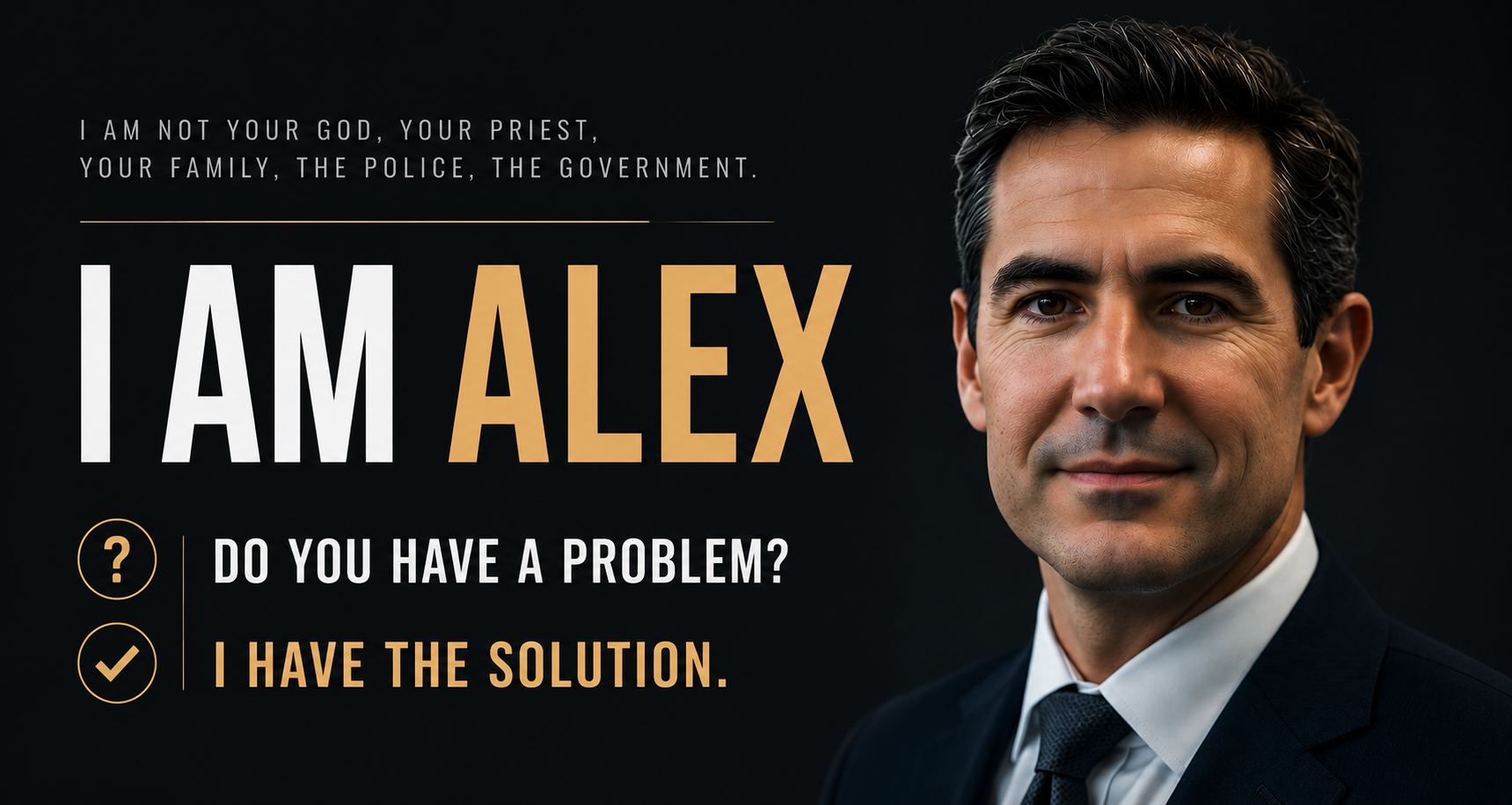
This is exactly what AskAlex was built for—a judgment-free space to process your restart without the shame spiral.
How AskAlex Can Help: Judgment-Free Support for Your Life Restart
You’ve tried doing this alone. Maybe it’s time to try something different.
AskAlex isn’t therapy. It’s not a life coach. It’s something simpler: a space to talk through what you’re experiencing without the fear of judgment, rejection, or unwanted advice.
Why People Come to AskAlex at Their Lowest Points
Most people don’t seek support when things are going well. They seek it when they’ve hit the wall—when they’ve tried everything they know and still feel stuck.
At AskAlex, we understand that feeling like a failure at 32 isn’t dramatic. It’s human. And talking about it isn’t weak—it’s the first step toward changing your story.
What You Can Expect
- No judgment. Your past doesn’t define your conversation.
- No pressure. We’re not here to fix you—just to listen and help you find your own answers.
- No agenda. Whether you want practical next steps or just need to vent, we meet you where you are.
- Real availability. When you’re spiraling at 2 AM, you don’t have to wait for an appointment.
Your second chance doesn’t require a complete transformation overnight. It starts with one conversation where you finally feel heard.
Start your journey at desk.askalex.one.
Frequently Asked Questions
Is 32 too old to start a new career?
No. The average person changes careers 5-7 times in their lifetime. At 32, you likely have 30-35 working years ahead. That’s more than enough time to build expertise in a new field. Many of the most successful career pivots happen in one’s 30s because you have enough experience to know what you don’t want and enough time to build what you do.
How do I start over when I have no money?
Starting over doesn’t require money—it requires strategy. Begin with free resources: library books, free online courses, networking. Focus on skills that don’t require investment: communication, problem-solving, emotional intelligence. Look for entry points that pay you to learn, like apprenticeships or entry-level positions with growth potential.
What if I’ve already tried and failed?
Then you have data. Every failed attempt taught you something about what doesn’t work, what you don’t want, or what obstacles you face. Failure isn’t the opposite of success—it’s part of the process. The question isn’t whether you’ve failed; it’s whether you’re willing to learn from it.
How do I deal with family who judge my life choices?
Set boundaries. You don’t need their approval to rebuild your life. Limit information about your plans to those who support you. For everyone else, practice simple responses: “I’m working on some things” or “I appreciate your concern.” Protect your energy—rebuilding requires it.
Is it normal to feel this lost at 32?
Completely normal. Society sells us a timeline: degree by 22, career by 25, married by 28, house by 30. But life doesn’t follow that script. Many people hit a crisis point in their early 30s when expected milestones haven’t materialized. You’re not broken—you’re just awake to the gap between expectation and reality.
Your Second Chance Begins Today
Thirty-two is not too late. It’s not even close.
The feeling that you’ve failed? It’s not a verdict—it’s a signal. A signal that you’re ready for something different. That you’ve learned enough from what didn’t work to try something that might.
Your second chance doesn’t look like a dramatic movie montage. It looks like one small step. One different choice. One conversation that helps you see yourself clearly.
If you’re tired of carrying this alone, we’re here. No judgment. No pressure. Just a space to figure out what your second act could look like.
Register at desk.askalex.one and start your journey today.