

Been jobless for 2 years? You’re not unemployable. Discover practical steps to rebuild your career, reframe your gap, and find hope again. Talk to AskAlex.
Is it too late to start over after long-term unemployment?
No. Being jobless for 2 years doesn’t make you unemployable. Employers care more about what you can do now than what happened yesterday. Thousands of people restart careers after extended gaps—by addressing the gap honestly, rebuilding skills strategically, and taking small, consistent actions. Your timeline is your own, and “too late” is a lie your fear tells you.
The Problem: When Every Day Feels Like Another Brick on Your Chest
You’ve stopped counting the applications. Not because you’ve stopped sending them—God knows you haven’t—but because the number has become too heavy to carry. Three hundred? Four hundred? More?
Two years.
That’s 730 days of waking up with the same weight pressing down on your chest. 730 mornings of checking your phone for responses that never come. 730 nights of lying awake, replaying the same questions: What am I doing wrong? What’s wrong with me?
The gap on your resume has become a chasm. You’ve stopped telling people you’re “between jobs” because the phrase feels like a lie. Between implies transition, movement, a bridge connecting two solid grounds. But you’re not between anything anymore. You’re just… stuck.
Family gatherings have become exercises in creative avoidance. You know the questions are coming—“Still looking?” or worse, that look of forced optimism: “Something will turn up!” So you’ve started finding excuses. Work to do. Not feeling well. The dog needs attention. Anything to avoid the well-meaning interrogation that leaves you feeling smaller every time.
Your friends have stopped asking. Maybe they think they’re being kind, giving you space, not wanting to remind you of your failure. But the silence is louder than any question. It says what they’re too polite to voice: They’ve given up on you. They’ve accepted that this is who you are now—someone who used to have a career.
And the worst part? Some days, you’ve started to believe them.
Why This Hurts So Much More Than Just Losing a Paycheck
The Identity Erosion You Didn’t See Coming
When you first lost your job, you thought the hardest part would be the money. And sure, the financial stress is real—past-due notices, declined cards, the sinking feeling every time you open your banking app. But nobody warned you about what happens to your sense of self.
You used to be someone. Not famous, not powerful, but you had a title. A role. A reason to get dressed in the morning. When people asked “What do you do?” you had an answer that felt like an identity. Now that question feels like an accusation, and you’ve rehearsed a dozen ways to deflect it.
“I’m exploring new opportunities.” “I’m taking some time to figure out my next step.” “I’m freelancing.”
But after two years, even the deflections have worn thin. You’re not sure who you are without the work that used to define you. And that terrifies you more than any overdue bill.
The Hopelessness That Creeps In
It didn’t happen all at once. Hope is stubborn—it clings to any evidence of possibility. But after two years, the evidence has piled up on the other side.
You’ve rewritten your resume. Twice. Three times. You’ve paid professionals to fix it. You’ve customized cover letters, attended networking events, reached out to recruiters, updated your LinkedIn, taken courses, earned certifications. You’ve done everything they tell you to do, and you’re still here.
At some point, you stopped believing that “the right opportunity” is out there. You started to wonder if you’re the problem—your age, your skills, your industry, some invisible mark on your application that screams “don’t hire this person.”
The Shame That Isolates
Here’s what nobody talks about: unemployment shame makes you isolate, and isolation makes job-hunting nearly impossible.
You’ve stopped reaching out because you’re tired of the pitying looks, the well-meaning advice you’ve heard a hundred times, the connections that lead nowhere. You’ve stopped posting on social media because what would you say? Your feed is full of promotions and new jobs and people who seem to have it figured out, and you can’t stand to add your voice to the chorus of success.
So you pull back. You stay home. You tell yourself you’re focusing on the search, but really, you’re hiding. And every day you hide, the world feels a little smaller and a little more hostile.
The Solution: How to Start Again When You Feel Like You’ve Already Failed
Step 1: Stop Trying to Explain, Start Rebuilding
Here’s a truth that might feel uncomfortable: employers don’t need your life story. They need to know what you can do for them.
After two years, you’ve probably developed elaborate explanations for your gap. Maybe you were caring for family. Maybe you were retraining. Maybe you were consulting. And some of these might even be true. But spending energy crafting the perfect cover story takes away from the energy you need for what actually matters: showing what you’re capable of now.
Instead of apologizing for your gap, address it briefly and pivot:
“After a period of personal development and strategic career reassessment, I’ve focused my skills on [specific area]. Here’s what I’ve been working on…”
Then show them. Build something. Take on a volunteer project. Create a portfolio piece. Demonstrate that the person applying for this job has something to offer today—not two years ago.
Step 2: Reframe Your Story (For Yourself First)
The narrative you’ve been telling yourself matters more than the one you tell employers. Right now, your internal story probably sounds like: “I couldn’t find work. I failed. I fell behind.”
What if you told it differently?
- “I took intentional time to reassess my career direction.”
- “I developed resilience that can’t be taught in any job.”
- “I learned what I don’t want, which is the first step to finding what I do.”
- “I survived something that would have broken me five years ago.”
This isn’t toxic positivity. This is reclaiming your narrative from the shame that’s been writing it for two years. You don’t have to believe it yet—but you have to stop believing the version that’s keeping you stuck.
Step 3: Start Terrifyingly Small
When you’ve been jobless for two years, the idea of “getting back out there” feels insurmountable. So don’t try to scale the mountain. Take one step.
Today, do one thing:
- Update one section of your LinkedIn
- Send one message to one person (not asking for a job, just reconnecting)
- Apply for one job you might not even want
- Spend 30 minutes learning one new skill
One thing. That’s it. Not a full job search strategy, not a career reinvention—just one action that proves to yourself that you’re still in the game.
Then do one thing tomorrow. And the next day. Momentum doesn’t require giant leaps. It requires consistent movement.
Step 4: Address the Depression You’ve Been Naming “Laziness”
This is the part most career advice ignores: after two years of rejection, you might be depressed. Not because you’re weak, but because you’re human.
The exhaustion isn’t laziness. The apathy isn’t giving up. The brain fog isn’t incompetence. These are normal responses to prolonged stress and hopelessness. And they won’t be fixed by “trying harder.”
Consider this: if a friend went through what you’ve been through, would you expect them to just “snap out of it”? You’d probably recognize they need support. Maybe professional support. Maybe just someone to talk to who won’t try to fix them.
You deserve the same compassion you’d extend to anyone else.
Step 5: Build New Evidence
After two years, you’ve collected a lot of evidence for the story that says “I can’t.” Time to start collecting evidence for a different story.
- Volunteer somewhere that values your skills
- Take a course and actually complete it
- Help someone with a project they’re struggling with
- Write about what you’ve learned (on LinkedIn, a blog, anywhere)
Each of these creates proof that you’re capable, engaged, and growing. Not for employers—though they might notice—but for you. You need to see yourself in action again.
How AskAlex Can Help: When You Need Someone Who Won’t Try to Fix You
If you’ve read this far, you might be thinking: This is nice, but I’ve heard it before. What I really need is to talk to someone who won’t judge me for still being stuck after two years.
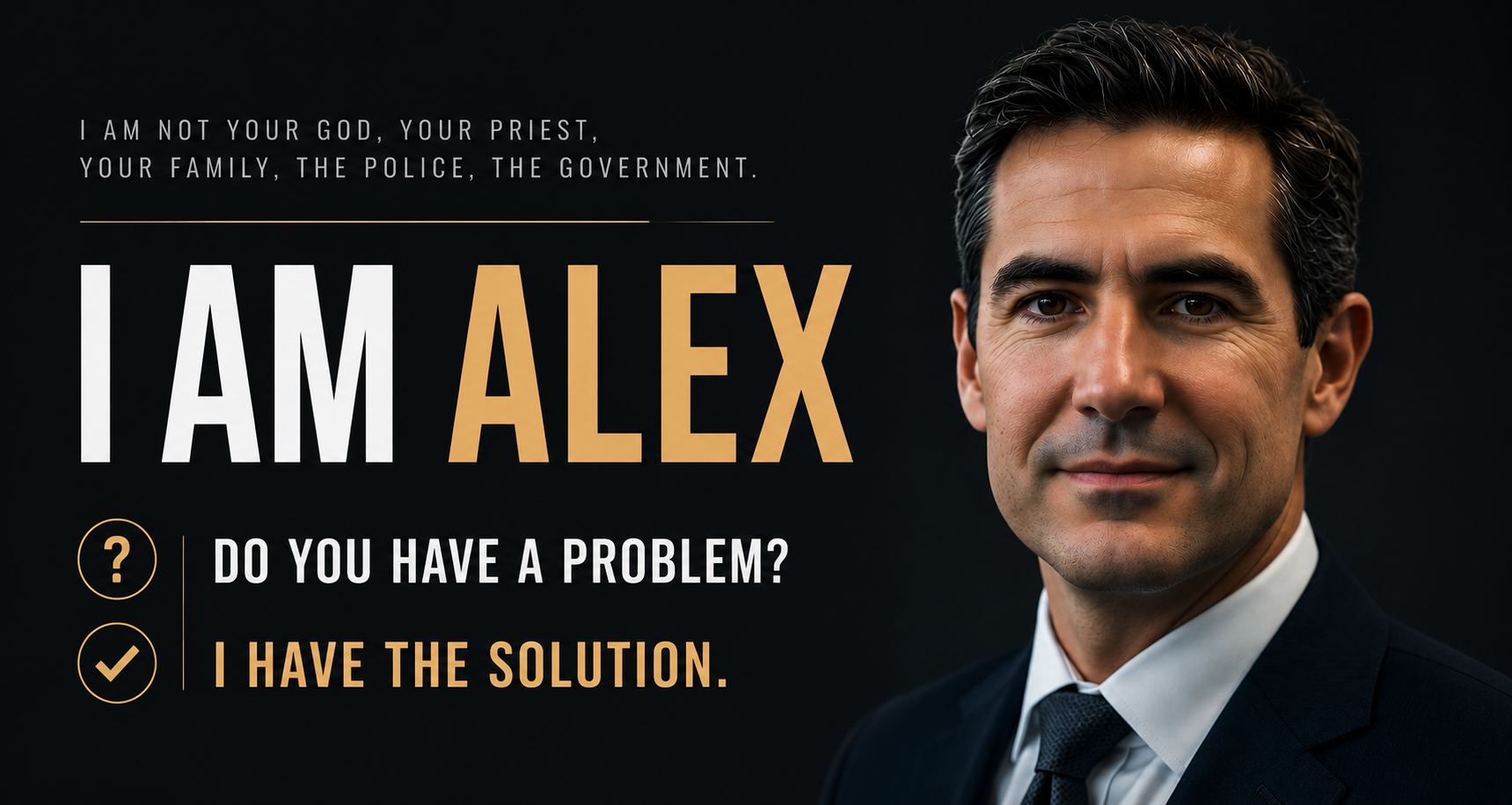
That’s exactly why AskAlex exists.
AskAlex isn’t a career coach who will give you more strategies to try. It’s not a therapist who will pathologize your despair. It’s not a friend who will offer well-meaning advice that makes you feel worse. It’s a judgment-free space where you can finally say the things you’ve been afraid to admit:
- *”I don’t think I’ll ever work again.”
- *”I’ve stopped trying, and I’m terrified.”
- *”I don’t know who I am anymore.”
- “Everyone else has figured it out except me.”
Sometimes you don’t need solutions. Sometimes you need to speak your worst fears out loud to someone who won’t try to immediately talk you out of them. Someone who won’t tell you “it’ll all work out” because sometimes it doesn’t, and pretending otherwise feels like a lie.
When you’re ready to talk—about your job search, your fear, your identity, or anything else that’s been weighing on you—register at desk.askalex.one. There’s no pressure to have the right words. There’s no judgment for how long you’ve been stuck. There’s just a space to finally be honest about what you’re going through.
You’ve spent two years giving pieces of yourself to a system that hasn’t given anything back. Maybe it’s time to save some of that energy for yourself.
Frequently Asked Questions
Can I get hired after 2 years of unemployment?
Yes. Employers hire people, not timelines. While a gap requires explanation, it’s not disqualifying. What matters most is what you can demonstrate today—skills, willingness to learn, and honest communication about your journey. Many hiring managers have experienced career gaps themselves and understand that life circumstances happen.
How do I explain a 2-year gap on my resume?
Be brief, honest, and forward-focused. You don’t need to share every detail. A simple statement like “Career break for personal development and family responsibilities” followed by evidence of recent skill-building or readiness to return works better than elaborate explanations. Address it, then immediately pivot to what you offer.
What if I’ve been rejected so many times I can’t keep trying?
Rejection burnout is real, and it doesn’t mean you’re weak—it means you’ve been fighting a hard battle for a long time. Consider taking a structured break: set a specific timeframe (2-4 weeks) where you stop applying entirely and focus on recovery. This isn’t giving up; it’s strategic rest. Many people find they can approach the search differently after stepping back.
Should I take any job just to get back into the workforce?
It depends. Taking a survival job can provide income and structure, but consider whether it will help or hurt your mental health and long-term career. A job that dramatically undervalues you might reinforce the narrative that you’re not worth more. However, some people find that any work helps rebuild confidence and creates momentum. There’s no universal right answer—only what works for your situation.
How do I deal with the shame of being unemployed at family gatherings?
You don’t owe anyone your employment status as a conversation topic. Prepare brief, redirecting responses: “I’m focusing on a few possibilities right now. How’s your new house?” or “Still exploring options. Tell me about your promotion.” You can also choose to be honest: “Honestly, it’s been really hard, and I’d rather not talk about job stuff today. What’s been going on with you?”
Remember: their questions usually come from care, even when they feel intrusive. But you get to set boundaries around what you discuss.
You’ve carried this alone for two years. You don’t have to keep carrying it by yourself. Talk to AskAlex — judgment-free, 24/7, whenever you’re ready.
Anxiety at Work – How to Function When You’re Spiraling



Pingback: Toxic Manager Undermining Me - How to Survive When Your Boss Predicts Your Failure - Ask Alex Blog